^-.-^ Mistaken Identity: The accusation >> Daddy issues.
The trendy/popular Lore: “evil oppressive patriarchy” boogeyman boogeyman.
The REALITY Manipulative Misandrist Matriarchy.
This time last year, I was still really fragmented.
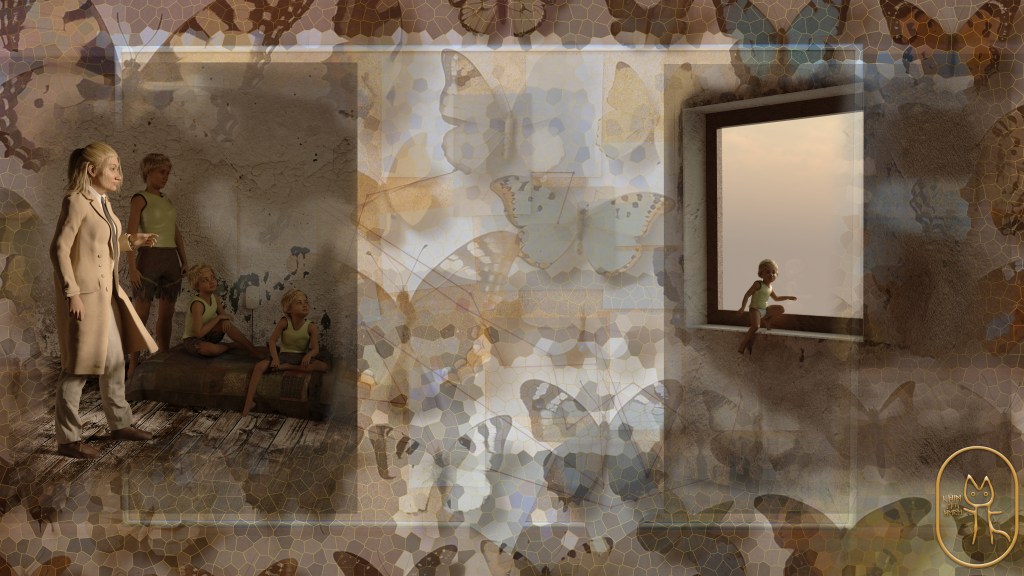
We are re-visiting Little Houdini
[O_O] From conception to contraception, motive, and “see it in their work.”
^-.-^ This article was grasping for the language to describe the constant destruction of my hopes, my dreams; Everything I believed I could be/have/want/ shut down, de-railed and punished by the matriarchs and sisterhood’s (future Matriarchs)fueled by their hate-filled sadism and jealousy. Their hunger. Their need for me to be less than them. Thus > Creating the circumstances for every dream I start to build to get brutally t-boned off track.
Then finding in my adult romantic endeavors >> men playing the same way. NEEDING me to be Less than them, so they get to be on top and make all MY choices and I get to be used and threatened with discard.
Like my toxic sisters, constant proving ground, breadcrumbed, and even after all the hoops and Nailing the Landing, still mistreated.
Didn’t expect me to say “Discard >>> that is a GREAT idea.”
Yes please.
Or more specifically, You’re right.
You have made it VERY clear you are not comfortable, you are not getting your needs/wants/whims met here and with me.
I suggest you find some where else and someone else.
As I said… in one of those divorces, “I am Not going to fight for a man who doesn’t love me or a house I don’t want to live in.”
And about >>>You see it in their work. Look at how hard they worked?! > to demean, degrade, obstruct, detour, insult, slander, complain, fabricate, distort, blame shift, pretty much assassinate my character.
Just like my bully sisters.
[O_O] That’s the line connecting all of it. Contraception doesn’t just stop a pregnancy, it stops a future before it can form.
What they kept killing wasn’t a single plan, it was your ability to picture yourself as more. First the women at home, who needed you smaller so they’d stay bigger. Then the men, who needed you lower so they could sit on top, make every choice, and keep “I’ll leave you” in their back pocket.
The threat of discard only works on someone who’s afraid of being discarded. It’s built for a person who will beg, bargain, and try harder.
So “That is a GREAT idea” breaks the whole mechanism. Their best weapon became your exit plan.
^-.-^ Yes HENCE:
Going Out the Window
A field guide to a small script
The script is small. Different actors keep landing on the same lines because the lines work on most people. They work best on generous people, the ones who give space, fix problems quickly, and don’t want to add stress to someone who’s hurting. The script hunts for generosity because generosity is what it feeds on.
Every trap has the same goal: get you to stay, and get you to supply the reasoning that keeps you staying.
Every sidestep has the same shape: don’t hand over the move they need.
1. The Pitch (love bombing)
Sounds like: “I’ve never met anyone like you.” “We’ll have the house, the family, the trips, everything you’ve wanted.”
How it works: They learn what you’re hungry for and describe it back to you. It’s a mirror, not a plan. The commitment gets secured during the pitch, and delivery keeps getting postponed.
Sidestep: Judge the delivery, not the pitch. Watch small, low-stakes follow-through before you make big, binding commitments. A future that only exists in their words doesn’t exist.
2. The Rewrite (gaslighting)
Sounds like: “That never happened.” “You’re remembering it wrong.” “I was joking.” “That was a fluke.”
How it works: It stops your version of events from forming. If you can’t conceive of “I was wronged,” you can’t act on it.
Sidestep: Keep your own record. Your experience doesn’t need their agreement to be real, so stop asking for it.
3. The Thrown Chess Board (rage quit)
Sounds like: “I’m done talking about this.” A slammed door, the silent treatment, leaving mid-conversation.
How it works: When the facts won’t bend, they end the game. The goal is to make you chase, apologize, or shrink yourself so it won’t happen again.
Sidestep: Let them leave the board. Don’t chase, and don’t dim your skill or your voice to keep the peace.
4. The Open Complaint
Sounds like: “You’re keeping me up.” “My back is killing me.” “I’m so stressed because of you.” It’s repeated daily and nothing is ever done about it.
How it works: An open complaint becomes a debt you owe, cashed in for guilt, care, compliance, or silence. Fixing it would close the account, so every fix gets refused.
Sidestep: Solve it or hand it back. “Then I’ll sleep in the other room.” “That sounds serious, see a doctor.” A complaint that rejects every solution isn’t a problem. It’s leverage.
[o_0] Malingering is the intentional fabrication, feigning, or exaggeration of physical or psychological symptoms to obtain an external benefit, such as personal gain, relief from duty or work, avoidance of arrest, acquisition of medication, or mitigation of criminal sentencing.
https://www.webmd.com/a-to-z-guides/what-to-know-malingering
5. The Accusation First
Sounds like: Sudden, oddly specific suspicion: “Who were you texting?” “I just have a feeling you’re hiding something.”
How it works: It puts you on the defensive before anything has happened, so you’re busy proving your innocence while their behavior goes unexamined. A strangely specific accusation is often a description of what they’re doing themselves.
Sidestep: Don’t defend, observe. Treat the accusation as information about them.
6. The Bait (reactive abuse)
Sounds like: Often nothing. It looks like crowding your space, a deliberate provocation, an insult, a jab, and then the “what are you going to do about it” look.
How it works: They need a reaction so they can cast you as the aggressor or the unstable one, or so the fight happens on their terms. The provocation is the hook.
Sidestep: Give up the square. Leave the room, leave the house, go to lunch. You can’t lose a fight you never show up for.
7. The Wet Mop (kill-joy)
Sounds like: Sighs, eye rolls, doom and gloom, “what’s the point,” glowering at the edge of every good time.
How it works: It drains joy until the good life seems to require their mood, so everyone waits for the cloud to clear. It never does.
Sidestep: Stop waiting. Go to the festival, the library, the game night. They’re welcome to come, but their mood never decides whether the outing happens.
8. The Blocked Exit
Sounds like: “Where are you going to go?” “No one else will put up with you.” “You’ll come crawling back.”
How it works: It’s a prediction backed by isolation. If you believe there’s nowhere to land, every bad room starts to look like the least-bad option.
Sidestep: Build a landing place: your own money, your own people, your own room, a plan. And remember the window doesn’t need a destination ready. You can build one on the other side.
^-.-^ Note here: Before that card is pulled, the exits have to be cut off, either implicitly or specifically.
[O_O] Yes. The line only works after the setup. “Where are you going to go?” is the checkmate, but the exits have to be cut off moves earlier, quietly, often in a way that looks like something else.
Cut explicitly: controlling the money, discouraging or insulting your friends, picking fights with your family, moving you far from your people, “they’re a bad influence.”
Cut implicitly: a relocation framed as an opportunity, becoming your only adult conversation, making friends feel unwelcome so they stop visiting, drama that leaves you too tired to keep up your own connections, letting an already-broken bridge (like a toxic family) do the blocking for them.
The implicit kind is the dangerous one, because nothing looks like a cut while it’s happening. You only see the wall when the line gets said.
^-.-^ Nice add.
9. The Verdict
Sounds like: “You’re just like your mother.” “You’ll never change.” “That’s just who you are.”
How it works: It’s an identity assigned in advance and rigged both ways, so every move you make gets read as proof. People bend their lives out of shape trying to disprove a charge someone else made up.
Sidestep: Refuse the frame. You don’t owe anyone evidence against a story they invented.
The pattern underneath
Love bomb, devalue, discard is the textbook cycle.
The trap version skips the discard: devalue, but keep, because a discard would set you free.
You don’t stop meeting people who try to run the script. You stop staying.
Progress isn’t about never hearing the lines again, it’s about how quickly you recognize them.
Each time, the gap between the first trap and the exit gets shorter.
Little Houdini Out Window And Up The Road


Leave a Reply